
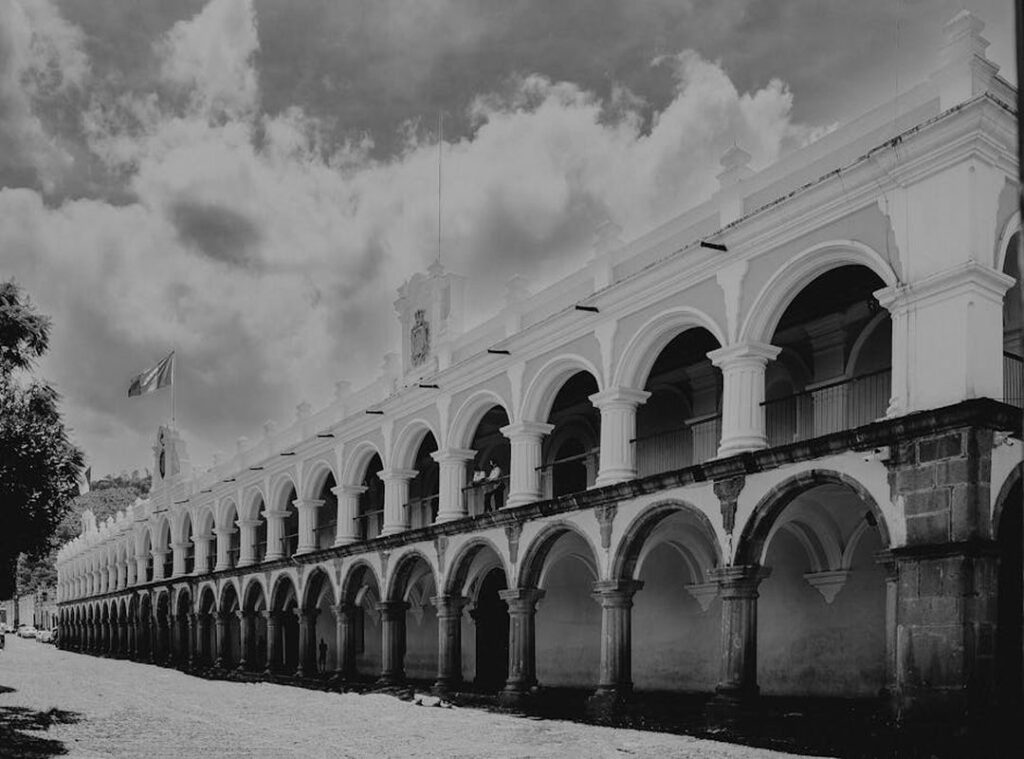
Tartaria is a place with a rich and often overlooked history. You might not know much about it, but that’s about to change. tartaria fotos antiguas are a treasure trove of visual and contextual information. These photos offer a unique glimpse into the past, revealing stories and details that are rarely discussed.
Why should you care? Because understanding history helps us make sense of the present. And these photographs are more than just images; they’re a window into a world that shaped our own.
I’ve done the research, and I’m here to share what I’ve found. Let’s dive in and explore the fascinating history of Tartaria through its old photographs.
The Historical Context of Tartaria
Geographical and Cultural Overview
Tartaria is a region with a rich and complex history. It’s located in Eastern Europe, spanning parts of what are now Romania, Moldova, and Ukraine. The cultural background is a mix of Romanian, Slavic, and other influences, creating a unique blend.
Historical Timeline
Let’s dive into the key events that shaped this area. In the 15th century, the region was part of the powerful Ottoman Empire. This period saw significant cultural and economic changes.
Fast forward to the 19th century, when the Russian Empire took control. This shift brought new governance and policies, altering the landscape and daily life for the people.
In the early 20th century, World War I and the subsequent breakup of empires led to the formation of modern states like Romania. This era was marked by national movements and struggles for independence.
The mid-20th century saw the rise of the Soviet Union, which had a profound impact on the region. The Soviet influence brought industrialization but also political repression.
After the fall of the Soviet Union in 1991, the countries in the region gained their independence. This transition was both exciting and challenging, as they had to build new economies and governments.
Understanding this timeline helps us appreciate the context behind tartaria fotos antiguas. These images capture the essence of a place that has seen so much change over the centuries.
Early Photography in Tartaria (1850-1900)
The introduction of photography in Tartaria was a game changer. It brought a new way to document and share the region’s unique culture and landscapes.
Photography quickly became popular among both locals and travelers. They saw it as a way to capture moments that would otherwise fade with time.
Some pioneering photographers made tartaria fotos antiguas famous. Names like Ivan Kovalenko and Maria Petrova were at the forefront, capturing the first images of Tartaria’s bustling streets and serene countryside.
Ivan Kovalenko, for instance, focused on urban scenes. His photos showed the daily life and architecture of major cities. Maria Petrova, on the other hand, was more drawn to nature.
Her work highlighted the vast, untouched landscapes of Tartaria.
The techniques and equipment used back then were quite different from what we have today. Wet plate collodion was the go-to method. It required a lot of patience and skill.
Imagine having to prepare each plate just before taking a photo, and then developing it right away. It was a slow process, but the results were stunning.
Compared to modern digital cameras, the early equipment was bulky and cumbersome. But it also had its charm. The detailed, high-quality images produced by wet plate collodion are still admired today.
In summary, the early days of photography in Tartaria were marked by innovation and dedication. These pioneers set the stage for the rich photographic history that followed.
Photographs from the Late 19th Century (1870-1900)
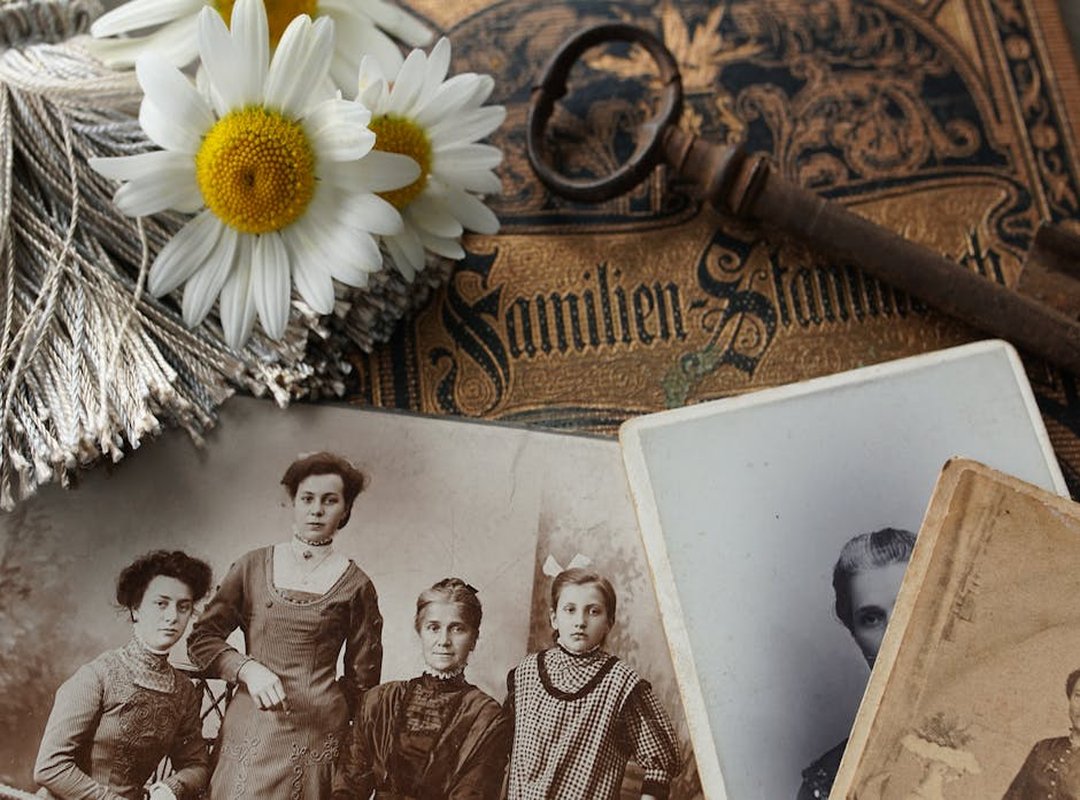
Urban Landscapes: Showcase photographs of Tartaria’s cities and towns, highlighting architectural styles and urban development. These images give us a glimpse into the past, showing how these places have evolved over time.
Rural Life: Present images of rural areas, including agricultural practices, village life, and traditional customs. Tartaria fotos antiguas often capture the simplicity and hard work that defined daily life in these regions.
Social and Cultural Events: Include photographs of significant social and cultural events, such as festivals, markets, and religious ceremonies. These photos are a window into the rich tapestry of community life and traditions.
What sets these photographs apart is their ability to tell a story. They don’t just show what was there; they reveal the spirit and character of the people and places.
Many collections focus on the grand and the famous, but the real gems are often found in the everyday scenes. The small, seemingly mundane moments can be the most revealing.
When you look at these photographs, you might wonder about the lives behind the faces. What were their stories? How did they live day to day?
It’s these questions that make the images so compelling.
If you’re interested in more detailed insights, you can read more about the nuances of historical photography and its impact.
Photographs from the Early 20th Century (1900-1930)
The early 20th century was a time of massive change. Industrialization and modernization transformed the world.
- New factories sprang up, changing skylines.
- Transportation evolved with the rise of automobiles and trains.
- Infrastructure like bridges and roads expanded rapidly.
These changes were not just physical. They reshaped daily life. Social norms shifted too.
Fashion became more diverse and accessible. Education started to be seen as a right, not a privilege. Daily life for many people improved, but it also brought new challenges.
- Women’s roles in society began to change, with more entering the workforce.
- Urbanization led to crowded cities, which had both benefits and drawbacks.
Photographs from this era capture these transformations. They show the stark contrast between the old and the new. For example, tartaria fotos antiguas often depict the blend of traditional and modern elements in everyday scenes.
On the political front, the early 20th century was marked by significant movements and protests. Photos from this time document the struggles and triumphs of various social and political causes.
- The suffrage movement fought for women’s right to vote.
- Labor movements pushed for better working conditions and fair wages.
- Civil rights movements began to gain momentum, fighting against racial discrimination.
These photographs are a window into the past. They help us understand how far we’ve come and the struggles that shaped our world.
The Enduring Legacy of Tartaria’s Historical Photographs
The article delves into the rich tapestry of tartaria fotos antiguas, covering key themes and periods that define the region’s history. These images span from the early 20th century to more recent times, capturing the essence of daily life, cultural traditions, and significant events.
These photographs serve as a vital link to the past, offering a unique glimpse into the lives and landscapes of bygone eras. They help us understand the evolution of Tartaria, from its rural roots to its modern transformations.
By exploring these visual records, we can gain a deeper appreciation for the historical and cultural significance of the region.
Preserving and studying tartaria fotos antiguas is crucial for maintaining our shared cultural heritage. They are not just images; they are stories waiting to be told and retold.
 There is a specific skill involved in explaining something clearly — one that is completely separate from actually knowing the subject. PatientSkillet has both. They has spent years working with game strategies and techniques in a hands-on capacity, and an equal amount of time figuring out how to translate that experience into writing that people with different backgrounds can actually absorb and use.
PatientSkillet tends to approach complex subjects — Game Strategies and Techniques, Gambling News and Updates, High-Roller Stories being good examples — by starting with what the reader already knows, then building outward from there rather than dropping them in the deep end. It sounds like a small thing. In practice it makes a significant difference in whether someone finishes the article or abandons it halfway through. They is also good at knowing when to stop — a surprisingly underrated skill. Some writers bury useful information under so many caveats and qualifications that the point disappears. PatientSkillet knows where the point is and gets there without too many detours.
The practical effect of all this is that people who read PatientSkillet's work tend to come away actually capable of doing something with it. Not just vaguely informed — actually capable. For a writer working in game strategies and techniques, that is probably the best possible outcome, and it's the standard PatientSkillet holds they's own work to.
There is a specific skill involved in explaining something clearly — one that is completely separate from actually knowing the subject. PatientSkillet has both. They has spent years working with game strategies and techniques in a hands-on capacity, and an equal amount of time figuring out how to translate that experience into writing that people with different backgrounds can actually absorb and use.
PatientSkillet tends to approach complex subjects — Game Strategies and Techniques, Gambling News and Updates, High-Roller Stories being good examples — by starting with what the reader already knows, then building outward from there rather than dropping them in the deep end. It sounds like a small thing. In practice it makes a significant difference in whether someone finishes the article or abandons it halfway through. They is also good at knowing when to stop — a surprisingly underrated skill. Some writers bury useful information under so many caveats and qualifications that the point disappears. PatientSkillet knows where the point is and gets there without too many detours.
The practical effect of all this is that people who read PatientSkillet's work tend to come away actually capable of doing something with it. Not just vaguely informed — actually capable. For a writer working in game strategies and techniques, that is probably the best possible outcome, and it's the standard PatientSkillet holds they's own work to.