
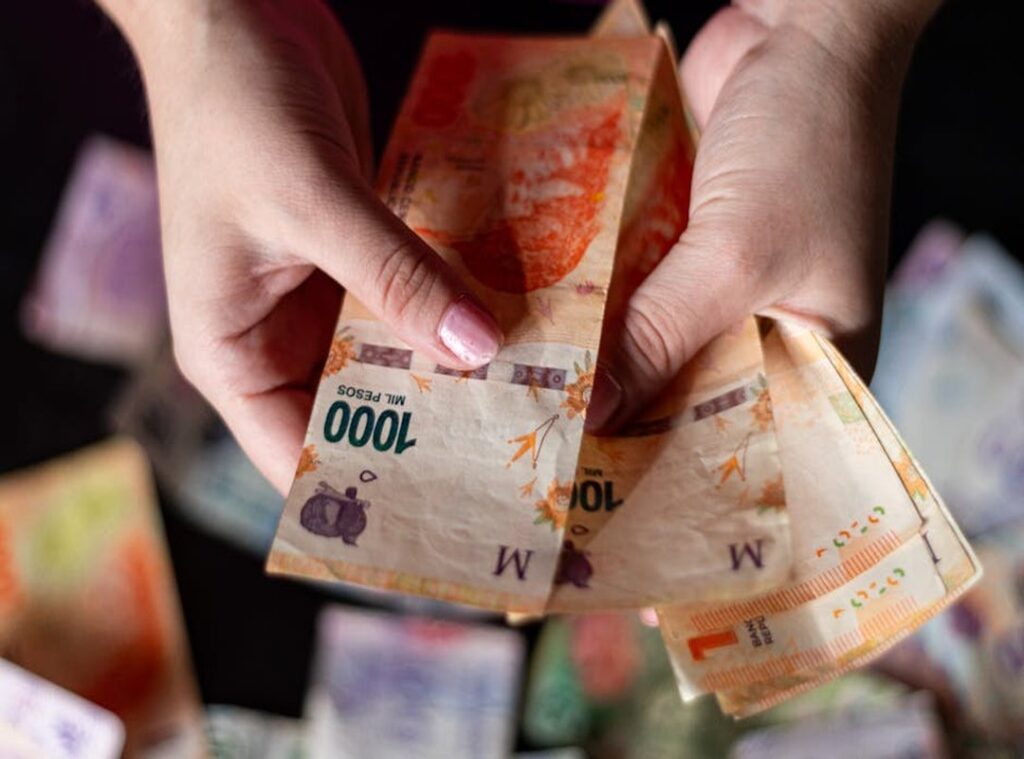
Converting 2500 pesos mexicanos en soles can be a real headache. Trust me, I get it.
You just want to know how much your money is worth in another country. Simple, right?
But no, it’s not always that easy.
Currency conversion can feel like a maze.
So, let’s cut through the confusion.
I’m here to give you a clear, step-by-step guide.
No fluff, no nonsense, and just the facts.
Ready to make sense of it all, and let’s dive in.
Understanding the Currencies: Mexican Peso (MXN) and Peruvian Sol (PEN)
The Mexican Peso, or MXN, has a long history. It’s been around since the 19th century. Today, it’s one of the most traded currencies in the Americas.
The Peruvian Sol, or PEN, is a bit younger. Introduced in 1991, it replaced the inti. Now, it’s the official currency of Peru and is widely used in both local and international transactions.
Importance of Currency Conversion
Currency conversion is a big deal, and especially for travelers and businesses. When you’re moving between countries, knowing the exchange rate can save you a lot of money.
For example, if you’re traveling from Mexico to Peru, you might need to convert 2500 pesos mexicanos en soles. Getting the best rate can make a huge difference in your budget.
Businesses also need to stay on top of these rates. They help in making accurate financial forecasts and ensuring smooth international transactions.
Understanding these currencies and their conversions isn’t just about numbers. It’s about making smart decisions that can impact your travel and business plans.
Current Exchange Rate: MXN to PEN
Finding the current exchange rate from Mexican Pesos (MXN) to Peruvian Soles (PEN) is pretty straightforward. You just need to know where to look.
I use a few reliable sources to check the most up-to-date rates. Websites like XE, OANDA, and even major banks usually have real-time or near-real-time exchange rates. These platforms are updated frequently, so you can trust the numbers you see.
But here’s the thing, and not all sources are created equal. Some might have a delay or hidden fees.
Stick with well-known financial platforms to avoid any surprises.
Factors affecting exchange rates can be a bit tricky. Economic indicators like inflation, interest rates, and political stability play a big role. Market trends, such as demand for a particular currency, also impact the rates.
For example, if you’re looking to convert 2500 pesos mexicanos en soles, you’ll want to check these factors. A strong economy in Peru might make the PEN stronger, while a weak economy in Mexico could devalue the MXN.
Understanding these dynamics helps you make better decisions. It’s not just about the number; it’s about why that number is what it is.
So, next time you need to convert currencies, take a moment to look at the bigger picture. It can save you a lot of hassle and maybe even some money.
Step-by-Step Conversion: 2500 MXN to PEN
Converting 2500 pesos mexicanos en soles is simpler than you might think. Here’s how you can do it:
-
Obtain the Current Exchange Rate: Find the latest MXN to PEN rate. This step is crucial because exchange rates fluctuate.
-
Perform the Calculation: Multiply 2500 MXN by the current exchange rate. This will give you the amount in Peruvian Soles (PEN).
-
Verify the Result: Double-check the calculation using a reliable tool or service. It’s always better to be safe than sorry, right?
Let’s walk through an example. Suppose the current exchange rate is 0.15 PEN for 1 MXN.
Calculation:
– 2500 MXN * 0.15 PEN = 375 PEN
So, 2500 pesos mexicanos en soles would be 375 PEN.
By following these steps, you can ensure you get the most accurate conversion. This way, you know exactly what your money is worth, and you can make informed financial decisions.
Practical Tips for Converting Currencies
When it comes to converting currencies, you want to make sure you’re getting the best deal. Using online converters is a great way to start.
They offer real-time exchange rates and can help you avoid the high fees that banks and ATMs often charge. Just type in the amount you want to convert, like 2500 pesos mexicanos en soles, and you’ll get an accurate rate instantly.
But here’s a tip: always check a few different sites to compare rates. Some might be slightly better than others.
Bank and ATM Fees
Banks and ATMs can hit you with hefty conversion fees. It’s important to understand these fees before you travel.
One way to minimize them is by using your bank’s partner ATMs abroad. They often have lower or no fees. Check with your bank to see if they have any partnerships in the countries you’re visiting.
Another option is to withdraw larger amounts less frequently. This reduces the number of times you pay the fee, saving you money in the long run.
Traveler’s Checks and Prepaid Cards
Traveler’s checks used to be a popular choice, but they’re not as common now. Still, they can be useful in certain situations, especially if you lose your cash or cards.
Prepaid cards are a more modern alternative. You load them with a specific amount of money, and they work just like a debit card. The benefit?
You lock in the exchange rate when you load the card, so you know exactly how much you’re spending.
Just remember, some prepaid cards come with their own set of fees. Always read the fine print before you buy one.
Final Thoughts
Converting currencies doesn’t have to be a headache. With a bit of research and planning, you can save a lot of money. And hey, if you ever find yourself in a tricky financial situation, it’s good to know how to recognizing signs of gambling addiction early.
Stay smart and stay safe!
Common Mistakes to Avoid When Converting Currencies
Let’s get real. Converting currencies can be a headache, especially if you’re not careful. Here’s what you need to watch out for.
First up, using stale exchange rates, and always check the most recent rates. Imagine converting 2500 pesos mexicanos en soles with outdated info.
You could end up losing more than you bargained for.
Next, ignoring fees. Banks and ATMs love to sneak in hidden costs. It’s like they’re playing a game, and you’re the one who ends up paying.
Always read the fine print and compare different options.
Overlooking local regulations is another big no-no. Some countries have strict rules about currency exchange. You don’t want to get caught off guard and end up in a legal mess.
Do your homework and stay informed.
By avoiding these mistakes, you can make sure your money goes further and stays safe. Trust me, a little extra effort upfront can save you a lot of headaches later.
Real-World Scenarios: When You Might Need to Convert 2500 MXN to PEN
Traveling from Mexico to Peru? You might think you can just use your credit card everywhere. But not all places accept them, especially in smaller towns or local markets.
That’s when you’ll need some soles in your pocket.
Business Transactions: Imagine you’re a small business owner in Mexico looking to buy supplies from a Peruvian vendor. They might prefer payment in their local currency. In this case, converting 2500 pesos mexicanos en soles makes sense.
Sure, some people say it’s always better to use credit cards for the best exchange rates. But let’s be real. Sometimes, cash is king, and you need to have it on hand.
Mastering Currency Conversion
Understanding and converting currencies is crucial in today’s global economy. It allows for seamless transactions and financial planning across borders.
The Solution
To convert 2500 pesos mexicanos en soles, start by finding the current exchange rate between Mexican Pesos (MXN) and Peruvian Soles (PEN). Use a reliable online currency converter or consult with a financial institution. Multiply 2500 MXN by the current exchange rate to get the equivalent amount in PEN.
Always double-check the rates and use up-to-date information for accuracy.
Final Thought
Stay informed about currency fluctuations and always use trusted sources for your conversions. This ensures you make accurate financial decisions.
 There is a specific skill involved in explaining something clearly — one that is completely separate from actually knowing the subject. Darlene Alfonsorocos has both. They has spent years working with game strategies and techniques in a hands-on capacity, and an equal amount of time figuring out how to translate that experience into writing that people with different backgrounds can actually absorb and use.
Darlene tends to approach complex subjects — Game Strategies and Techniques, Gambling News and Updates, High-Roller Stories being good examples — by starting with what the reader already knows, then building outward from there rather than dropping them in the deep end. It sounds like a small thing. In practice it makes a significant difference in whether someone finishes the article or abandons it halfway through. They is also good at knowing when to stop — a surprisingly underrated skill. Some writers bury useful information under so many caveats and qualifications that the point disappears. Darlene knows where the point is and gets there without too many detours.
The practical effect of all this is that people who read Darlene's work tend to come away actually capable of doing something with it. Not just vaguely informed — actually capable. For a writer working in game strategies and techniques, that is probably the best possible outcome, and it's the standard Darlene holds they's own work to.
There is a specific skill involved in explaining something clearly — one that is completely separate from actually knowing the subject. Darlene Alfonsorocos has both. They has spent years working with game strategies and techniques in a hands-on capacity, and an equal amount of time figuring out how to translate that experience into writing that people with different backgrounds can actually absorb and use.
Darlene tends to approach complex subjects — Game Strategies and Techniques, Gambling News and Updates, High-Roller Stories being good examples — by starting with what the reader already knows, then building outward from there rather than dropping them in the deep end. It sounds like a small thing. In practice it makes a significant difference in whether someone finishes the article or abandons it halfway through. They is also good at knowing when to stop — a surprisingly underrated skill. Some writers bury useful information under so many caveats and qualifications that the point disappears. Darlene knows where the point is and gets there without too many detours.
The practical effect of all this is that people who read Darlene's work tend to come away actually capable of doing something with it. Not just vaguely informed — actually capable. For a writer working in game strategies and techniques, that is probably the best possible outcome, and it's the standard Darlene holds they's own work to.