

Aesthetic visuals can make or break your content. It’s that simple.
You might be thinking, why should I care? Well, because the way your content looks can either draw people in or turn them off. And let’s be real, no one wants to look at a boring, poorly designed post.
I’ve seen it time and time again. Creators pour their hearts into their work, but if it’s not visually appealing, it falls flat. Engagement drops.
Impact fades, and it’s frustrating, right?
But here’s the good news: you don’t have to be a design expert to create stunning visuals. With a few key tips and strategies, you can transform your content.
This article is all about giving you those actionable insights. We’re talking real, practical advice, and no fluff, no nonsense.
Just the stuff that works.
So, are you ready to take your content to the next level? Let’s dive in.
Understanding Aesthetic Visuals: The Basics
Aesthetic visuals. You hear that term a lot, but what does it really mean? It’s all about creating something that looks good and feels right.
Simple, right?
But here’s the kicker. A lot of people think aesthetic visuals are just about making things pretty. That’s not entirely true.
Sure, they look nice, but they also play a huge role in how we interact with content.
Think about it. When you see a well-designed image or a beautifully laid-out page, you’re more likely to engage with it. It’s human nature.
We’re drawn to things that are visually appealing. (And let’s be real, who wants to stare at a boring, cluttered mess?)
Now, why are aesthetic visuals important, and they can make or break your content. If it looks bad, no one will stick around long enough to read it.
But if it’s visually pleasing, you might just keep them hooked.
Let’s dive into the key elements that make up aesthetic visuals. First up, color, and color sets the mood and tone.
It can make a design feel energetic, calm, or even luxurious. (Ever noticed how luxury brands use a lot of black and gold? There’s a reason for that.)
Next, composition, and this is about how elements are arranged. A balanced layout is easier on the eyes and helps guide the viewer through the content.
(Imagine reading a book where the words were scattered randomly. Not exactly a pleasant experience, right?)
Typography matters too. The right font can make your message clear and easy to read. The wrong one?
Well, it can make your content look like a ransom note. (No one wants that.)
Lastly, imagery. High-quality images can tell a story without a single word. They set the scene and add depth to your content.
(Remember, a picture is worth a thousand words, or so they say.)
So, next time you’re working on a project, think about these elements. Use dark:ih71b_rxy_k= imagenes aesthetic to create something that not only looks great but also resonates with your audience. Trust me, it makes a difference.
Choosing the Right Colors for Your Visuals
Color is a big deal, and it can make or break your visuals.
Color Theory
Understanding color theory is key, and it’s all about how colors affect emotions. Red, for example, can make you feel excited or even hungry.
Blue, on the other hand, feels calm and trustworthy. (Think about how fast-food chains use red in their logos.)
Brand Consistency
Consistency is everything, and your colors should match your brand identity. If your logo is green and yellow, using those same colors in your visuals keeps things cohesive.
People recognize and remember your brand better that way.
Tools and Resources
There are tools out there to help you pick and manage colors. Adobe Color and Coolors are great. They let you create and save color palettes.
(Pro tip: Use these tools to experiment with different color combinations before finalizing your design.)
dark:ih71b_rxy_k= imagenes aesthetic
In the end, choosing the right colors isn’t just about making things look pretty. It’s about creating an emotional connection and reinforcing your brand.
Mastering Composition and Layout
The rule of thirds is a classic technique for creating balanced and visually pleasing compositions. Imagine dividing your frame into a 3×3 grid. Place key elements along these lines or at their intersections.
It’s simple but super effective.
dark:ih71b_rxy_k= imagenes aesthetic
Symmetry can make your visuals look neat and orderly. But sometimes, symmetry can feel a bit too perfect. That’s when you break the rules.
Asymmetry adds a dynamic, edgy feel to your composition. Use it when you want to add some flair and interest.
Focal points are crucial for guiding the viewer’s eye. Think about what you want people to see first. Make that element stand out.
You can do this by using color, size, or placement. Experiment with different techniques to see what works best for your style.
Remember, practice makes perfect. Try out these tips and see how they transform your visuals.
Typography and Text Integration
Font Selection: Choosing the right fonts to complement your visuals and enhance readability. It’s not just about picking something that looks nice; it’s about making sure the text is easy on the eyes.
Text Placement: Best practices for integrating text into your designs without overwhelming the visuals. You don’t want your text to fight with your images. (It’s like trying to have a conversation in a noisy room.)
Hierarchy: Using size, weight, and color to create a clear visual hierarchy. This helps guide the reader’s eye and makes your message more impactful.
When it comes to font selection, I can’t stress enough how important it is to keep it simple. Fancy fonts might look cool, but they can be a nightmare to read. Stick with clean, legible options.
Trust me, your audience will thank you.
For text placement, think about balance. Too much text can make your design feel cluttered. (And no one likes a cluttered design.) Place your text strategically, so it complements the visuals rather than competing with them.
Creating a visual hierarchy is all about making your most important information stand out. Use larger, bolder fonts for key points, and smaller, lighter fonts for supporting details.
This way, your readers know what to focus on first.
If you’re looking for more in-depth tips and resources, check out Labgamblecircle. They’ve got some great insights on design and more.
Using High-Quality Imagery and Graphics
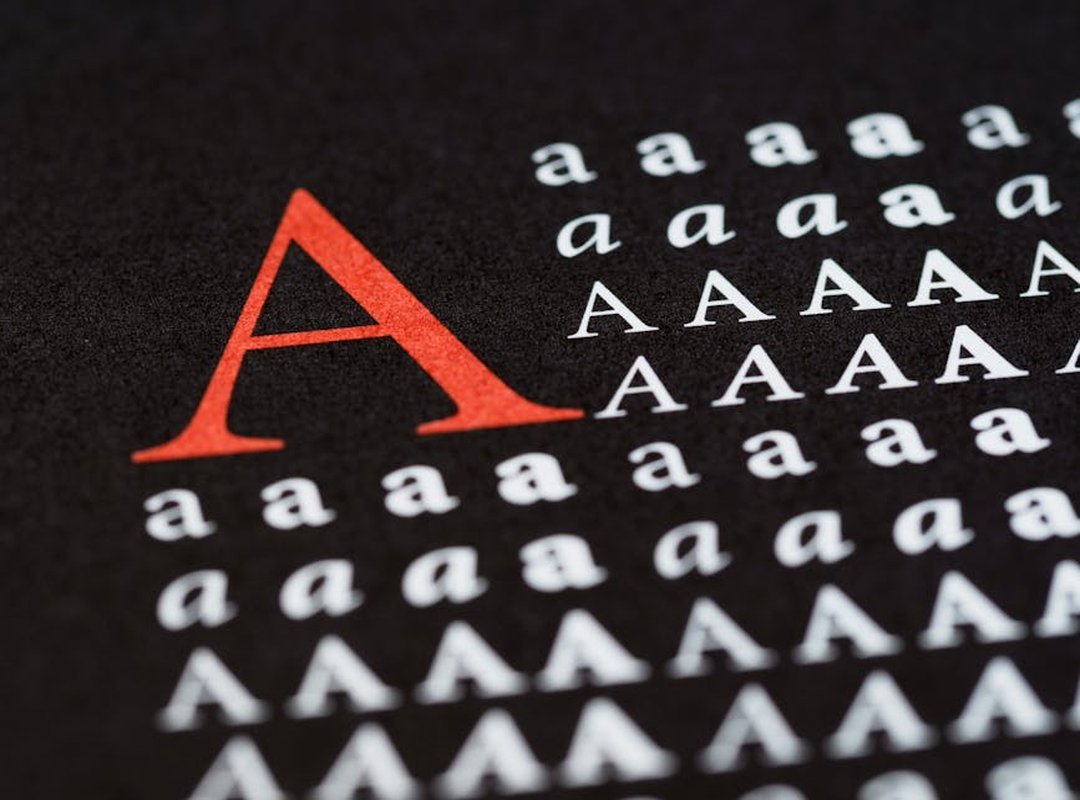
Finding the right images can be a pain. But it doesn’t have to be.
Underline image sources underline—that’s where you start. There are plenty of sites out there with high-quality, royalty-free images. Just make sure you read the license terms.
You don’t want to accidentally use something that’ll get you in trouble.
Editing tips, and keep it simple.
You don’t need to be a Photoshop wizard. Basic cropping, resizing, and color adjustments can go a long way.
Consistency is key.
Your visuals should look like they belong together. Use the same filters, fonts, and styles. It makes your content look professional and polished.
Dark:ih71b_rxy_k= imagenes aesthetic.
It’s a style that’s clean and modern. Perfect for making your visuals stand out without being too flashy.
Creating Engaging Social Media Visuals
When it comes to social media, one size doesn’t fit all. Each platform has its own vibe and audience, so your visuals need to match that. For Instagram, go for high-quality, visually appealing images.
On Twitter, keep it simple and direct with clean graphics. Facebook? Mix it up with a variety of content, from photos to short videos.
Storytelling is key. Use visuals to tell a story and connect with your audience. Think about the message you want to convey and how you can make it relatable.
A good story can make your brand more memorable.
Interactive elements are a game changer. Add polls, quizzes, and stickers to boost engagement. These features not only make your content more fun but also give you valuable insights into what your audience likes.
Dark:ih71b_rxy_k= imagenes aesthetic can really set the mood. It adds a unique, eye-catching look to your visuals. Just make sure it aligns with your brand and the story you’re telling.
By tailoring your visuals and adding interactive elements, you can create content that stands out and resonates with your audience.
Elevate Your Content with Aesthetic Visuals
Intent Reinforcement: Recap the importance of aesthetic visuals in creating engaging and impactful content.
Visuals are a powerful tool for capturing attention and conveying messages effectively. They can transform ordinary content into something memorable and shareable.
The Solution: Summarize the key takeaways and actionable steps to improve your visual content.
Understand your brand’s aesthetic and choose visuals that align with it. Use high-quality images and consistent design elements. Experiment with different formats, such as infographics and videos, to keep your content fresh.
Final Thought: Encourage readers to experiment and continuously refine their visual design skills.
dark:ih71b_rxy_k= imagenes aesthetic. Don’t be afraid to try new things and learn from each experience. Continuous improvement will help you create more engaging and impactful content.
 There is a specific skill involved in explaining something clearly — one that is completely separate from actually knowing the subject. Darlene Alfonsorocos has both. They has spent years working with game strategies and techniques in a hands-on capacity, and an equal amount of time figuring out how to translate that experience into writing that people with different backgrounds can actually absorb and use.
Darlene tends to approach complex subjects — Game Strategies and Techniques, Gambling News and Updates, High-Roller Stories being good examples — by starting with what the reader already knows, then building outward from there rather than dropping them in the deep end. It sounds like a small thing. In practice it makes a significant difference in whether someone finishes the article or abandons it halfway through. They is also good at knowing when to stop — a surprisingly underrated skill. Some writers bury useful information under so many caveats and qualifications that the point disappears. Darlene knows where the point is and gets there without too many detours.
The practical effect of all this is that people who read Darlene's work tend to come away actually capable of doing something with it. Not just vaguely informed — actually capable. For a writer working in game strategies and techniques, that is probably the best possible outcome, and it's the standard Darlene holds they's own work to.
There is a specific skill involved in explaining something clearly — one that is completely separate from actually knowing the subject. Darlene Alfonsorocos has both. They has spent years working with game strategies and techniques in a hands-on capacity, and an equal amount of time figuring out how to translate that experience into writing that people with different backgrounds can actually absorb and use.
Darlene tends to approach complex subjects — Game Strategies and Techniques, Gambling News and Updates, High-Roller Stories being good examples — by starting with what the reader already knows, then building outward from there rather than dropping them in the deep end. It sounds like a small thing. In practice it makes a significant difference in whether someone finishes the article or abandons it halfway through. They is also good at knowing when to stop — a surprisingly underrated skill. Some writers bury useful information under so many caveats and qualifications that the point disappears. Darlene knows where the point is and gets there without too many detours.
The practical effect of all this is that people who read Darlene's work tend to come away actually capable of doing something with it. Not just vaguely informed — actually capable. For a writer working in game strategies and techniques, that is probably the best possible outcome, and it's the standard Darlene holds they's own work to.